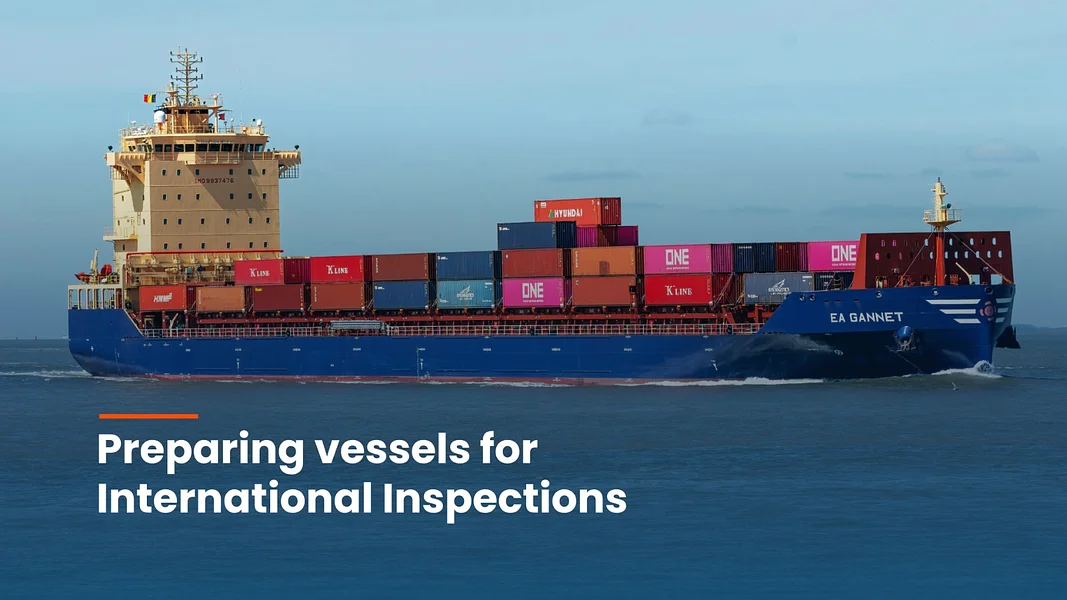
𝗧𝘂𝗿𝗻𝗶𝗻𝗴 𝗖𝗼𝗺𝗽𝗹𝗶𝗮𝗻𝗰𝗲 𝗜𝗻𝘁𝗼 𝗢𝗽𝗲𝗿𝗮𝘁𝗶𝗼𝗻𝗮𝗹 𝗖𝗼𝗻𝗳𝗶𝗱𝗲𝗻𝗰𝗲
1. 𝗧𝗵𝗲 𝗥𝗲𝗮𝗹𝗶𝘁𝘆 𝗢𝗳 𝗜𝗻𝘁𝗲𝗿𝗻𝗮𝘁𝗶𝗼𝗻𝗮𝗹 𝗜𝗻𝘀𝗽𝗲𝗰𝘁𝗶𝗼𝗻𝘀
In global shipping, inspections are not disruptions — they are expected checkpoints of safety, compliance, and operational standards.
Yet many vessels still approach inspections as last-minute events.
The difference between smooth clearance and costly delays is defined by how prepared the vessel is before arrival.
2. 𝗪𝗵𝘆 𝗜𝗻𝘀𝗽𝗲𝗰𝘁𝗶𝗼𝗻 𝗥𝗲𝗮𝗱𝗶𝗻𝗲𝘀𝘀 𝗖𝗮𝗻𝗻𝗼𝘁 𝗕𝗲 𝗥𝗲𝗮𝗰𝘁𝗶𝘃𝗲
International inspections assess multiple critical areas:
- Safety systems and emergency readiness
- Environmental compliance and pollution control
- Crew awareness and response capability
- Documentation accuracy and traceability
When preparation is reactive, vessels face unplanned deficiencies, delays, and operational pressure onboard.
3. 𝗧𝗵𝗲 𝗛𝗶𝗱𝗱𝗲𝗻 𝗚𝗮𝗽𝘀 𝗧𝗵𝗮𝘁 𝗟𝗲𝗮𝗱 𝗧𝗼 𝗙𝗮𝗶𝗹𝘂𝗿𝗲𝘀
Even technically sound vessels may struggle due to:
- Equipment tested only on paper, not in real conditions
- Documentation that does not reflect actual onboard status
- Crew unfamiliarity during live inspection scenarios
- Minor issues overlooked until they become reportable deficiencies
These are not major failures — they are small gaps with significant consequences.
4. 𝗪𝗵𝗮𝘁 𝗧𝗿𝘂𝗲 𝗜𝗻𝘀𝗽𝗲𝗰𝘁𝗶𝗼𝗻 𝗥𝗲𝗮𝗱𝗶𝗻𝗲𝘀𝘀 𝗟𝗼𝗼𝗸𝘀 𝗟𝗶𝗸𝗲
4.1 𝗦𝗮𝗳𝗲𝘁𝘆 𝗦𝘆𝘀𝘁𝗲𝗺𝘀 𝗧𝗵𝗮𝘁 𝗣𝗲𝗿𝗳𝗼𝗿𝗺 𝗨𝗻𝗱𝗲𝗿 𝗣𝗿𝗲𝘀𝘀𝘂𝗿𝗲
All life-saving and firefighting equipment must be fully functional, recently tested, and ready for immediate deployment.
4.2 𝗘𝗻𝗴𝗶𝗻𝗲 𝗥𝗼𝗼𝗺 𝗔𝗻𝗱 𝗘𝗻𝘃𝗶𝗿𝗼𝗻𝗺𝗲𝗻𝘁𝗮𝗹 𝗜𝗻𝘁𝗲𝗴𝗿𝗶𝘁𝘆
A well-maintained engine room reflects accurate system performance, absence of leaks, and fully compliant pollution control systems.
4.3 𝗗𝗼𝗰𝘂𝗺𝗲𝗻𝘁𝗮𝘁𝗶𝗼𝗻 𝗧𝗵𝗮𝘁 𝗠𝗮𝘁𝗰𝗵𝗲𝘀 𝗥𝗲𝗮𝗹𝗶𝘁𝘆
Inspection success depends on valid certifications, updated maintenance records, and clear, traceable documentation.
4.4 𝗖𝗿𝗲𝘄 𝗥𝗲𝗮𝗱𝗶𝗻𝗲𝘀𝘀 𝗔𝗻𝗱 𝗖𝗼𝗻𝗳𝗶𝗱𝗲𝗻𝗰𝗲
Prepared crews understand procedures, execute drills efficiently, and communicate clearly during inspections.
4.5 𝗦𝘆𝘀𝘁𝗲𝗺𝘀 𝗧𝗵𝗮𝘁 𝗪𝗼𝗿𝗸 𝗪𝗶𝘁𝗵𝗼𝘂𝘁 𝗘𝘅𝗰𝗲𝗽𝘁𝗶𝗼𝗻
All operational systems must respond accurately, remain free from alarm faults, and perform reliably under inspection conditions.
5. 𝗧𝗵𝗲 𝗖𝗵𝗮𝗹𝗹𝗲𝗻𝗴𝗲 𝗢𝗳 𝗢𝗽𝗲𝗿𝗮𝘁𝗶𝗻𝗴 𝗔𝗰𝗿𝗼𝘀𝘀 𝗚𝗹𝗼𝗯𝗮𝗹 𝗣𝗼𝗿𝘁𝘀
Managing inspection readiness becomes more complex when vessels operate internationally:
- Limited time during port calls
- Variations in inspection focus across regions
- Difficulty coordinating service and maintenance globally
Without proper coordination, maintaining consistency becomes a challenge.
6. 𝗧𝗵𝗲 𝗦𝗵𝗶𝗳𝘁 𝗙𝗿𝗼𝗺 𝗥𝗲𝗮𝗰𝘁𝗶𝘃𝗲 𝗧𝗼 𝗣𝗿𝗼𝗮𝗰𝘁𝗶𝘃𝗲 𝗢𝗽𝗲𝗿𝗮𝘁𝗶𝗼𝗻𝘀
Modern vessel management is moving toward a proactive approach:
- Identifying issues before inspections
- Ensuring continuous system readiness
- Aligning crew, equipment, and documentation
- Maintaining consistency across voyages
This approach transforms inspections from high-risk events into predictable processes.
7. 𝗪𝗵𝗮𝘁 𝗛𝗶𝗴𝗵-𝗣𝗲𝗿𝗳𝗼𝗿𝗺𝗶𝗻𝗴 𝗩𝗲𝘀𝘀𝗲𝗹𝘀 𝗗𝗼 𝗗𝗶𝗳𝗳𝗲𝗿𝗲𝗻𝘁𝗹𝘆
Vessels that consistently clear inspections smoothly focus on:
- Preventive maintenance over corrective action
- Real-time documentation updates
- Continuous crew training
- Structured inspection preparation
They treat compliance as a daily practice, not a periodic requirement.
8. 𝗙𝗶𝗻𝗮𝗹 𝗜𝗻𝘀𝗶𝗴𝗵𝘁
International inspections do not demand perfection — they demand preparedness, consistency, and reliability.
Vessels that integrate these into their operations experience faster clearance, minimal deficiencies, and reduced operational disruptions.
𝗖𝗼𝗻𝗰𝗹𝘂𝘀𝗶𝗼𝗻
Inspection readiness is not about reacting to inspections —
it is about building a system that is always ready for them.https://vslsafety.com/galleries
When preparation becomes part of operations, inspections become predictable, controlled, and efficient.
Technical guidance notice. Requirements can vary by flag, class, vessel, equipment maker and Administration. Confirm the current authoritative requirements before arranging inspection, testing or repair.
